Tiss Zaitz, MA
Psychology & Mental Health Educator
Speaker | Founder of UNRAVEL
I translate complex psychology into practical tools, workshops, and educational experiences that challenge conventional thinking and help people better understand themselves, their relationships, and the way they navigate the world.
I challenge traditional approaches to teaching psychology by focusing on the nervous system and mechanistic level as the key factor for genuine understanding.
I believe people can more easily apply what they learn when they actually understand the mechanisms that drive their thoughts, emotions, beliefs, and behavior.
My workshops break down complex ideas into clear, relatable language that anyone can make sense of. They’re also designed to be interactive and engaging, combining real-world examples with skill-building activities that help people apply the concepts to their own lives.
Ultimately, my goal is to help people better understand their patterns so they can navigate their academic, professional, and personal lives with greater confidence and intention.
Explore My Work

Workshops
Interactive educational experiences that give students the skills they need to be successful in their academic, professional, and personal lives.

UNRAVEL
An educational platform that explains relationship behavior through psychology and neurobiology using clear, relatable language.

UNRAVEL Unfiltered
Social commentary and often unpopular opinions about relationships and the public discourse that often focuses on the wrong things.
88
Countries
1900+
Research Downloads
APA
Presenter
40+
Educational Platform Pages
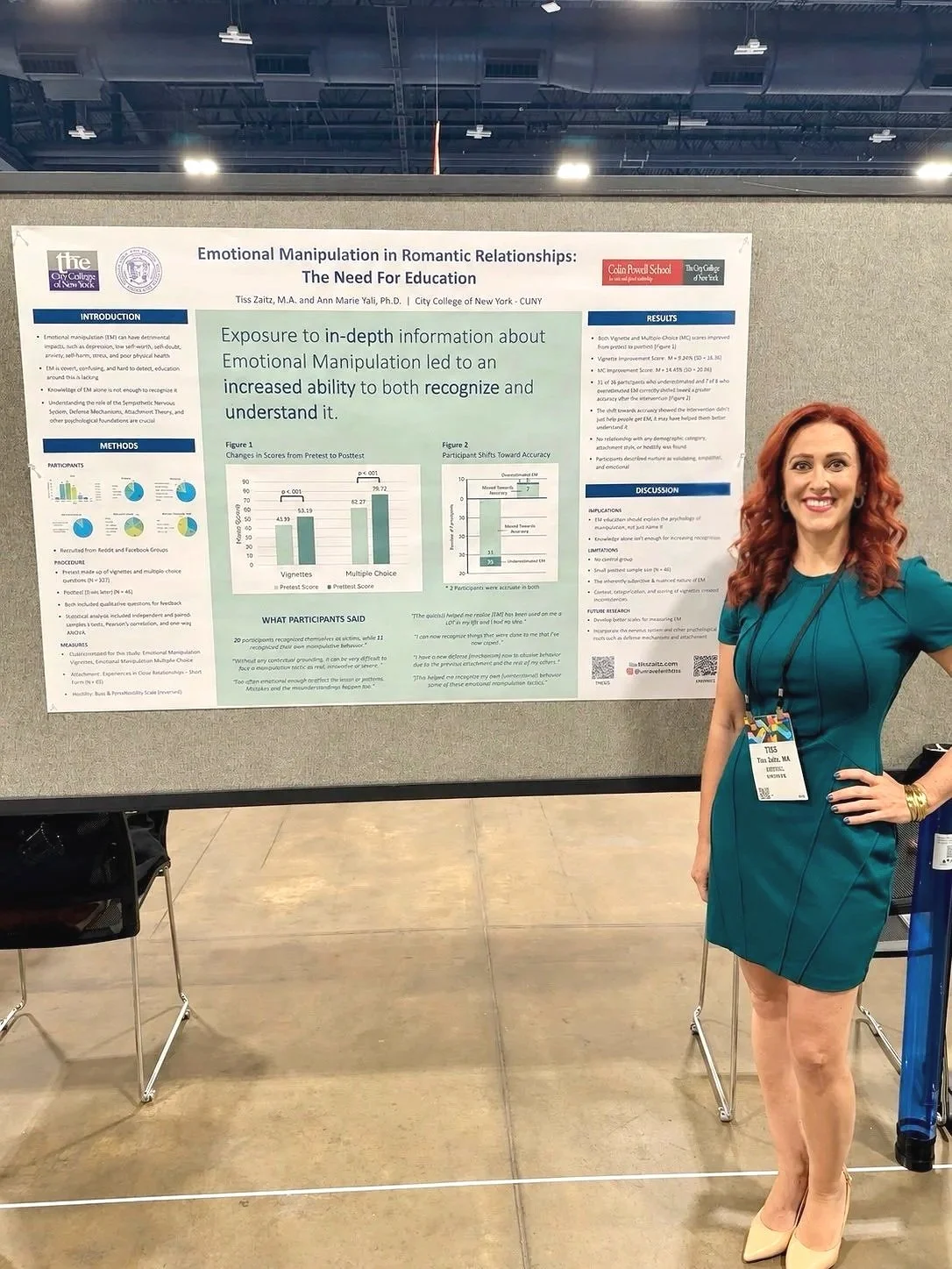
My master's research has been downloaded more than 1,900 times across 88 countries, and I had the privilege of presenting it at the American Psychological Association's annual convention. That work became the foundation for UNRAVEL, inspiring a growing educational platform with more than 40+ pages of education and resources designed to help people better understand and navigate relationships.

Interactive workshops on stress management, resilience, procrastination, presentation skills, and the psychology behind relationships are being piloted. Reach out for more information or to book a workshop.