
About Me
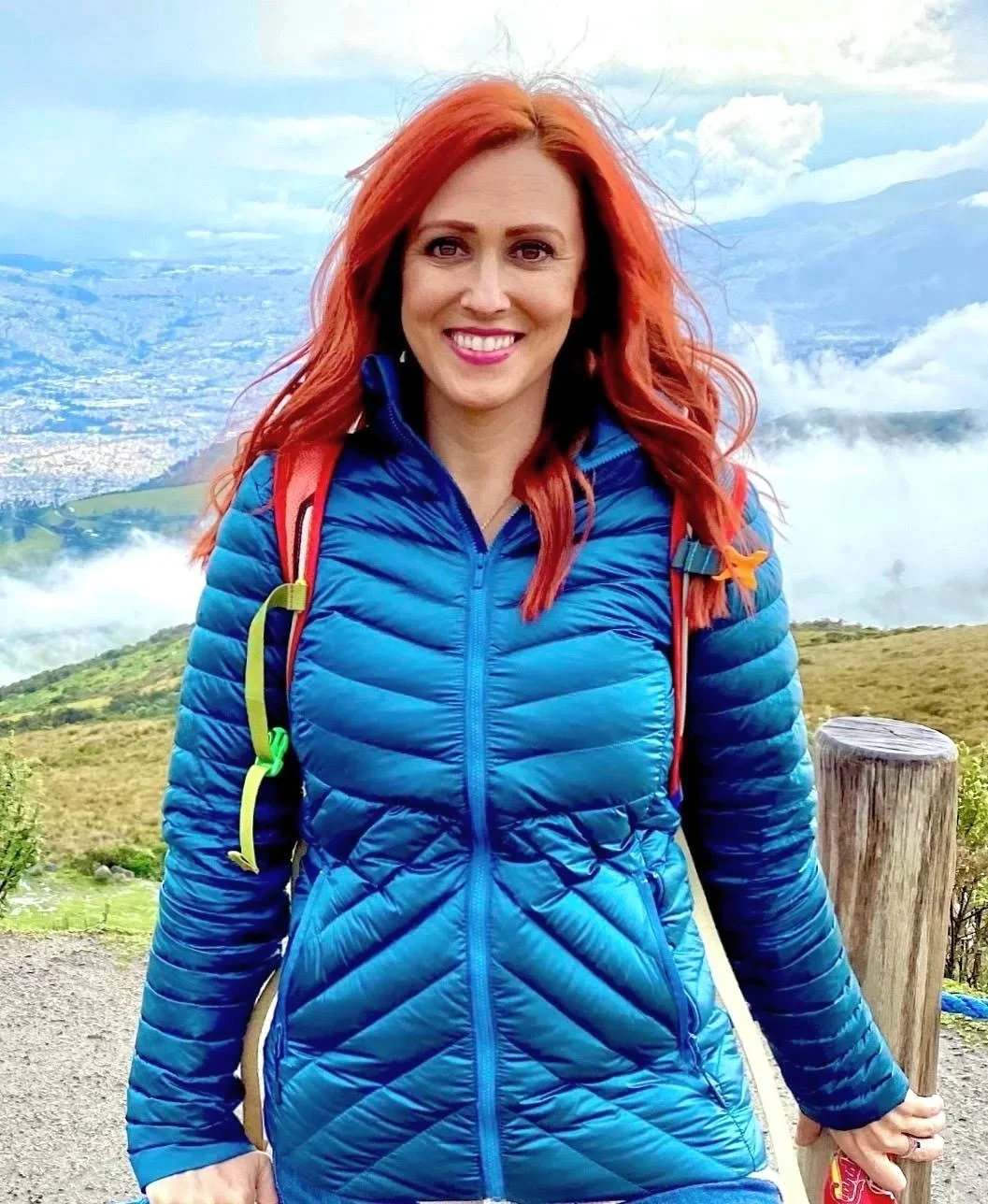
Hi, I’m Tiss.
I'm originally from St. Louis but have spent the past decade living in New York City. Along the way, I've had the opportunity to live on the breezy island of Puerto Rico and in the top of the Andes Mountains in Ecuador, experiences that deepened my appreciation for different people, cultures, and perspectives.
I’m an avid Cardinals baseball fan and never miss Home Opener. I love to solo travel, but I don’t do much “sightseeing.” Instead of museums and parks, I’ll be hiking across a Norwegian glacier, playing with elephants in Thailand, or wind surfing across a Scandinavian fjord.
I believe some of life's best lessons come from stepping outside our comfort zones, going to unfamiliar places, and having great adventures.
Why I Do What I Do
I’ve been through more than my share of tough times and traumatic experiences, and I’ve watched people I loved go through unusually turbulent chapters in life. Therapy was a Godsend, but it left me with a lot of questions therapy couldn’t answer.
I started diving into psychology, trauma, attachment, defense mechanisms, and neurobiology, and found myself repeatedly thinking things like, "Why have I never heard this before?!" and "Why was this so hard to find?!"
Over the course of about 10 years, I read dozens of books and went back to get my master’s degree in psychology with a focus on human relationships. I found so many answers to my questions, but they were widely scattered across so many disciplines that it took years to connect all the dots. I’ve come to realize much of it answers a lot of questions that many of us don’t even know we’re asking.
If you drive into a tree, it’s important to understand what you were doing that led up to it, the weather, and the road conditions. That’s therapy, and it’s important. But to fix the car, you need a mechanic who understands the engine and has the tools to fix it. Our nervous system works the same way: knowing what got us here is critical, but it often isn’t enough. Unfortunately, you can’t take your nervous system to a mechanic; fixing it is an inside job.
Yet no one really teaches us how it works in the context of relationships, whether with ourselves or with others, or how to make repairs.
My research challenged traditional approaches to relationship education and explored a different way of teaching these concepts by focusing on the mechanisms that drive our thoughts, feelings, beliefs, and behavior. Today that work continues through workshops, research, and the development of UNRAVEL.
UNRAVEL is the resource I wish I had 20 years ago. It didn’t exist back then…but it does now.
Academic Background & Research
That curiosity eventually became academic research, giving me the opportunity to explore these ideas through graduate study and contribute a different perspective to academic research in the context of relationship education.
M.A. in Psychology, City College of New York (CUNY)
Master's thesis testing whether teaching the psychological mechanisms behind emotional manipulation improves people's ability to recognize and understand it (Click here)
Participants took a test, received mechanism-level explanations for each answer, then were retested days later. Improvements were statistically significant.
Presenter, American Psychological Association Annual Convention (Denver, CO, 2025)
Teaching & Educational Work
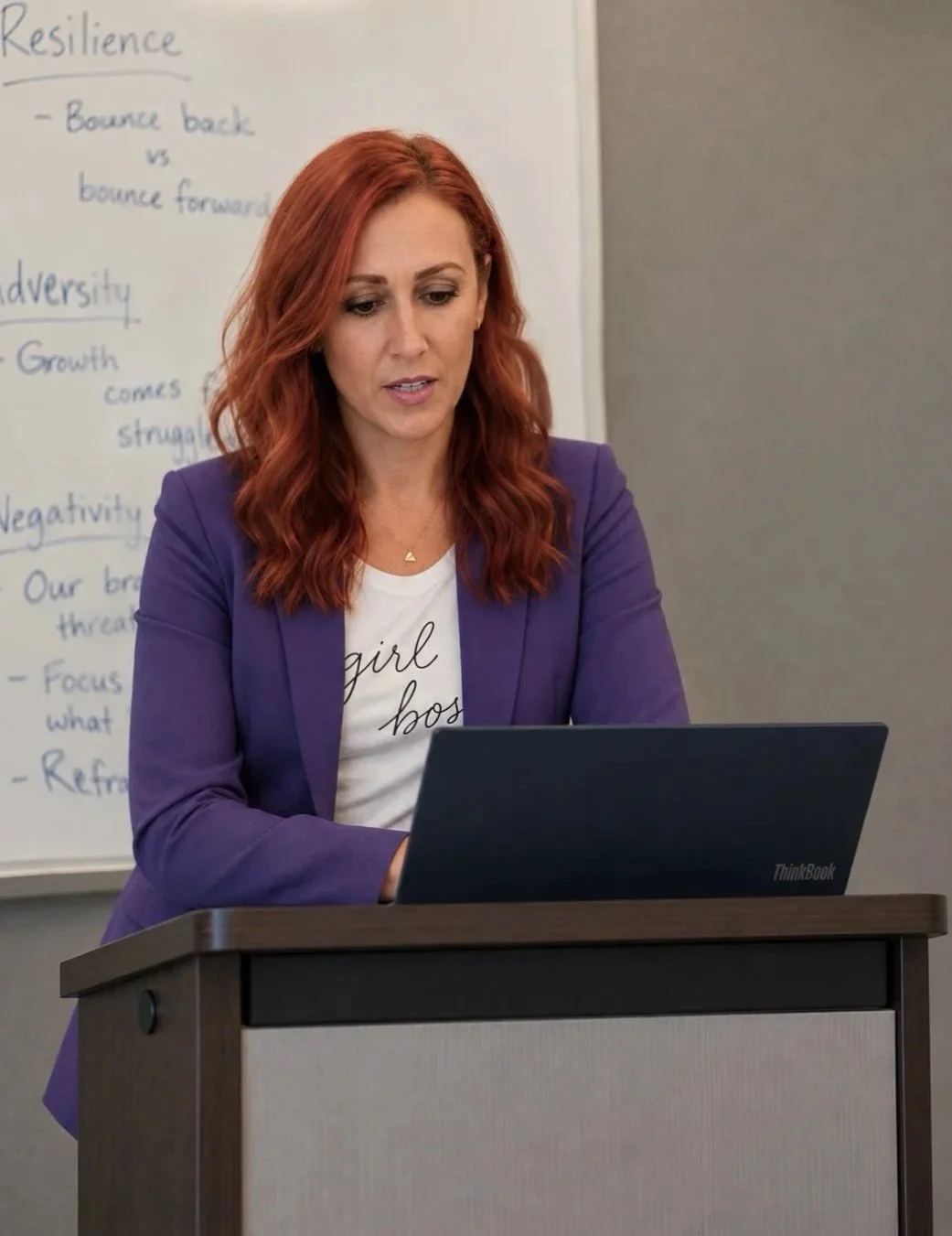
While completing my graduate work, I worked as a Mental Health Educator at Hunter College, where I developed and facilitated workshops on stress management, resilience, procrastination, communication, and other topics designed to support student success.
Since then, I've continued building educational experiences that translate psychology and neurobiology into practical tools people can actually use. Whether I'm designing a workshop, presenting research, or developing UNRAVEL, my goal is always the same: help people end harmful patterns and better understand themselves and others.